


Birmingham After Hours: The Rise, the Fall and What Comes Next

The nightlife industry contributes billions to the UK economy every year, supporting jobs, culture and creativity across major cities. But something doesn’t quite feel the same anymore—especially here in Birmingham. Once known for its vibrant and diverse club scene, the city is now seeing a noticeable shift. Fewer people are heading out to nightclubs and some of the most iconic nightlife areas are no longer what they once were. The Arcadian, once a cornerstone of Birmingham nightlife, is now seeing venues being put up for sale.
So what happened? Where did the change begin?
At Creative Generation UK, we’re exploring the nightlife pivot and speaking to those who have lived it, from DJs and promoters to club owners, to understand whether Birmingham nightlife is truly declining or simply evolving into something new.
Many within the industry point to the COVID-19 pandemic as a major turning point. Months of venue closures disrupted nightlife habits and when restrictions finally lifted, people’s priorities had changed. Combined with the ongoing cost-of-living crisis, many now have less disposable income to spend on nights out. As a result, clubbing is no longer the default weekend activity it once was, particularly among younger generations who now have more entertainment and social options competing for their time.

Safety concerns cannot be ignored either. Incidents involving violence, drink spiking and general insecurity on nights out have made some people think twice about going clubbing. For many, the risk no longer outweighs the reward.
For some event organisers, creating safer and more inclusive environments has become a priority.
DJ, presenter and Hot Grl Brunch founder Kaylee Golding said:
“Being part of the LGBTQ+ community, I’ve always noticed there’s a level of safety and freedom in queer nightlife that often doesn’t exist in more mainstream spaces. You see a lot of heterosexual women going to gay venues because they feel more comfortable there. They can dance freely, dress how they want and just enjoy themselves without feeling judged or unsafe.”
“That really inspired Hot Grl Brunch. I wanted to build a space where all women could come together, feel safe, feel celebrated and genuinely let loose. I also wanted to create a platform that actively champions women and non-binary DJs all year round, not just during International Women’s Month. Representation in nightlife really matters.”

There’s also the issue of repetition. Over time, the scene began to feel predictable. The same DJs, the same music styles and similar event formats led to a lack of excitement. For a culture built on energy and newness, this familiarity started to push people away.
Then there’s the rise of “boujee” culture within clubs. For some, nightlife became less about music and connection and more about status. Who has the biggest table? The most bottles? The best section? While this appealed to some, others felt excluded. Men felt pressure to spend excessively while many women reported feeling judged rather than free to enjoy themselves. The dancefloor, once the heart of nightlife, began to lose its purpose.
The result of these changes is clear. Nightclubs are no longer filling up the way they used to.
Instead, people are shifting towards alternative experiences. Bars have become increasingly popular, offering a more relaxed and social atmosphere. Daytime drinking is also on the rise, with people preferring earlier starts and earlier finishes.
Brunch events, in particular, have taken a significant share of traditional nightclub audiences. These events combine music, food and socialising in a way that feels more balanced and appealing to today’s crowd.
Kaylee Golding believes this shift is happening across the entire country:
“Nightlife has changed across the whole UK, not just Birmingham. The pandemic really shifted people’s habits and I don’t think nightlife has fully recovered in the way it existed before… What’s exciting though is the rise of day parties and brunch culture. People still want to go out, dance and connect, but they also want balance. A lot of people prefer going out in the daytime, having a full experience and still being home at a reasonable hour.”
Music festivals are also booming. Rather than spending money on multiple nights out, people are choosing to invest in larger and more memorable experiences. Festivals offer variety, scale and a sense of occasion that standard club nights often struggle to match.
For brands that have adapted to these changing habits, the results have been positive. “We don’t just organise events; we create opportunities for our community,” says BOXOUT founder Buxley.
“That can be networking events, sports days in the summer or even screening England games for free when that’s what people want. By consistently listening to our audience and involving them in decisions through social media polls and feedback, we’ve built strong brand loyalty. People feel like they’re part of what we’re building.”
Buxley also told us why his brand had to adapt, especially post-COVID:
“Rising costs have impacted both us and our customers. Everything has become more expensive so we’ve had to adapt. Instead of running around 40 events a year, we now focus on 20 to 25 larger events using bigger venues and building bigger experiences for people.”

Travel is another major factor. With flights and city breaks becoming more accessible, many people are choosing to spend their disposable income exploring new places rather than staying local. For some, nightlife now means Ibiza, Marbella or Dubai.
The comparison with other UK cities is becoming increasingly noticeable. International DJ Fourty said:
“Manchester currently has more venues and a wider range of cultures, music and places for people to go. It’s now seen as a city that can compete with some of the best nightlife destinations in the UK. Birmingham will always have a strong nightlife scene, but at the moment there’s definitely more happening in Manchester.”

While many people focus on what’s been lost, others remember what made Birmingham nightlife special in the first place.
Former event owner Joey Doyle, who helped build the hugely successful Fame Fridays at Sobar, believes community was at the heart of it all:
“We made Fame Fridays feel like everyone’s local. Even if you came on your own, you’d always see someone you knew. It was simple really, good music, great people and an atmosphere that kept people coming back week after week.”
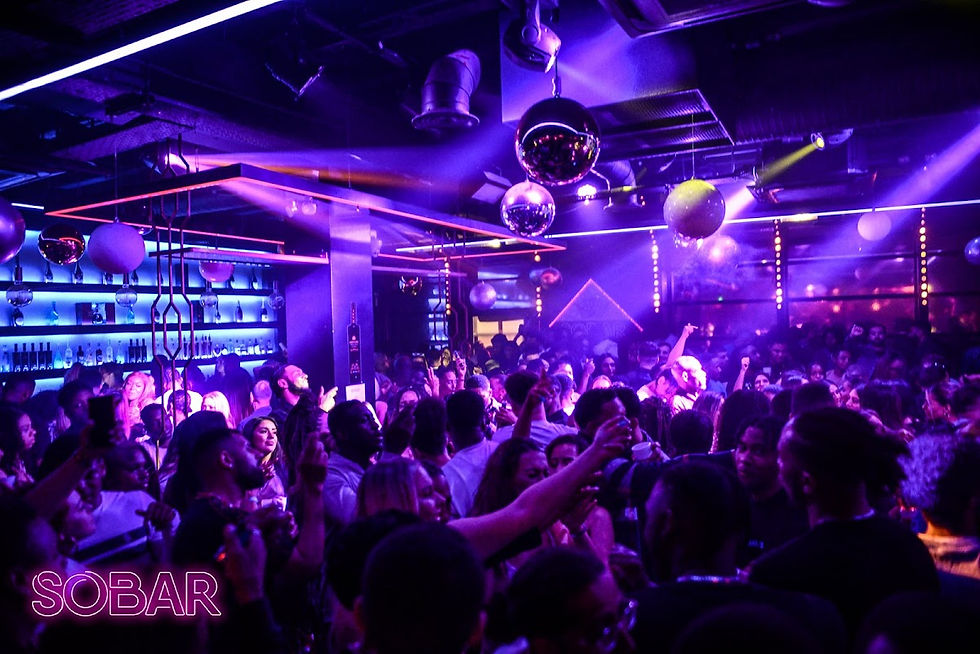
That sense of familiarity and belonging is something many feel has gradually disappeared from modern nightlife.
Despite the challenges, there is still a path forward for Birmingham nightlife. Creativity will be key. The scene needs fresh ideas, new sounds and unique experiences that give people a reason to come out again. Events need to feel different - not just like another version of what already exists.
Affordability is another major factor. More accessible drink prices and booth options could help bring people back into venues without the pressure of overspending.

There’s also an opportunity to rebuild the culture and bring the focus back to music, connection and genuine enjoyment rather than image and status. If nightlife can rediscover its core purpose, it may be able to reconnect with its audience.
The success of concepts such as Hot Grl Brunch and BOXOUT shows that people haven’t stopped wanting to socialise. They haven’t stopped wanting great music, shared experiences and memorable moments. What has changed is what they expect from a night out. Today’s audiences want value, authenticity, safety and a genuine sense of community. The venues and promoters who understand that are the ones most likely to succeed in the years ahead.
Birmingham nightlife isn’t what it used to be. But that doesn’t necessarily mean it’s finished. What we’re seeing could be less of a downfall and more of a transition. A shift in habits, values and expectations is reshaping how people experience nightlife, not just in Birmingham but across the UK.
The question now is whether the city can adapt. Can Birmingham rediscover its edge, its creativity and its identity after dark? Or will it continue to lose its place as a nightlife destination?
One thing is certain... the conversation has started.
Birmingham has reinvented itself before and there’s no reason it can’t do it again. The city still has talented DJs, ambitious promoters, passionate venue owners and audiences looking for something worth leaving the house for. The challenge now is to bring those pieces together and create a nightlife culture that reflects what people want today, rather than what worked ten years ago.
The future of Birmingham nightlife may not look exactly like its past, but that doesn’t mean it can’t be just as exciting. If the city embraces change while holding on to the sense of community, creativity and culture that made it special in the first place, then its next chapter could be its most important yet.


Comments